
SERVICESPLATFORMS AND PRODUCTS Software built around how you work.
I build management systems, portals, CRMs and new products, starting with the smallest version that proves the idea.
How NFT-Inator grew to 12,000 users and $20k a month.
A no-code platform for launching NFT collections, built at ProcessLabs, the studio I co-founded. I designed the product, built its front end with another developer, and ran its brand, marketing and search as CMO.
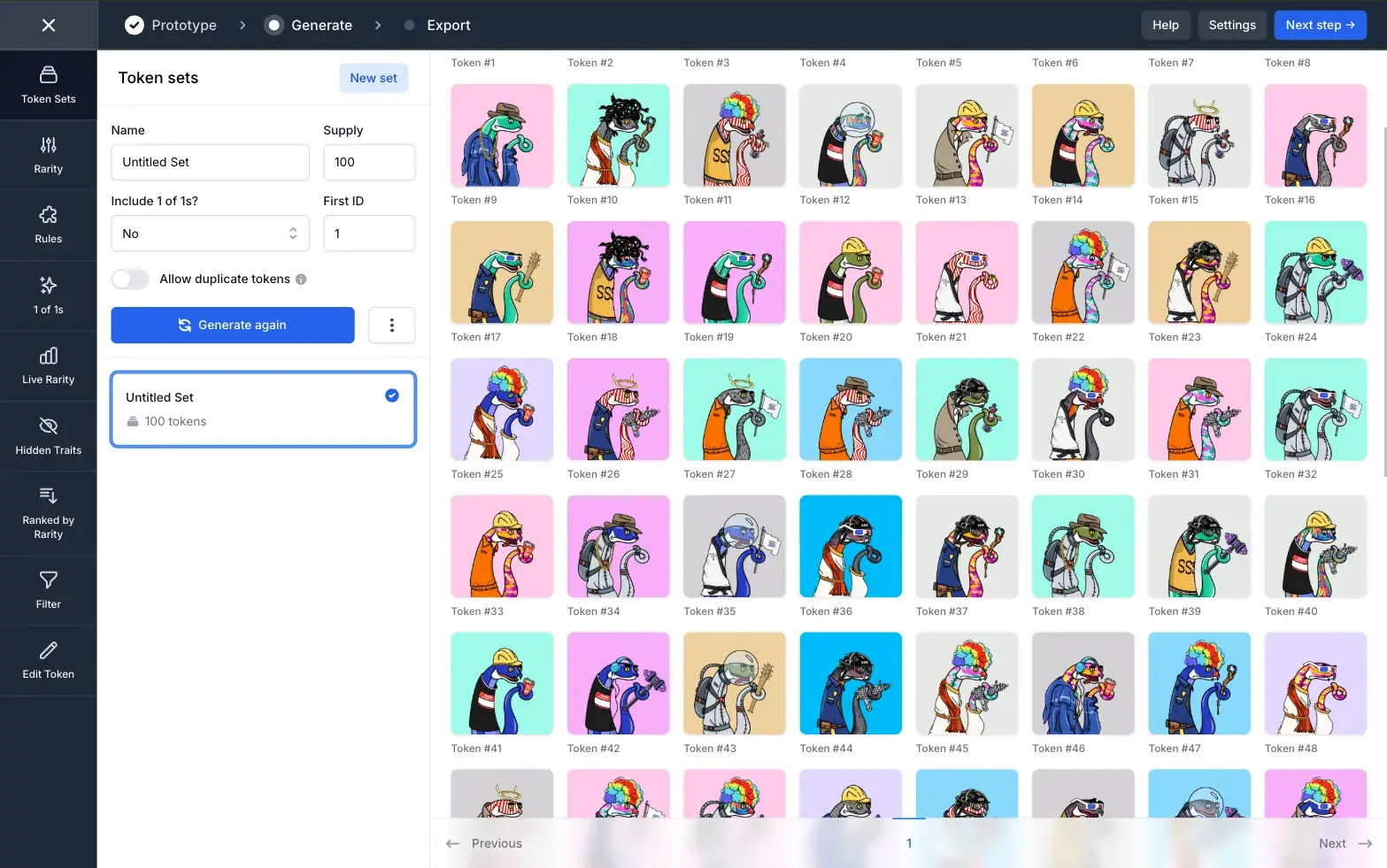
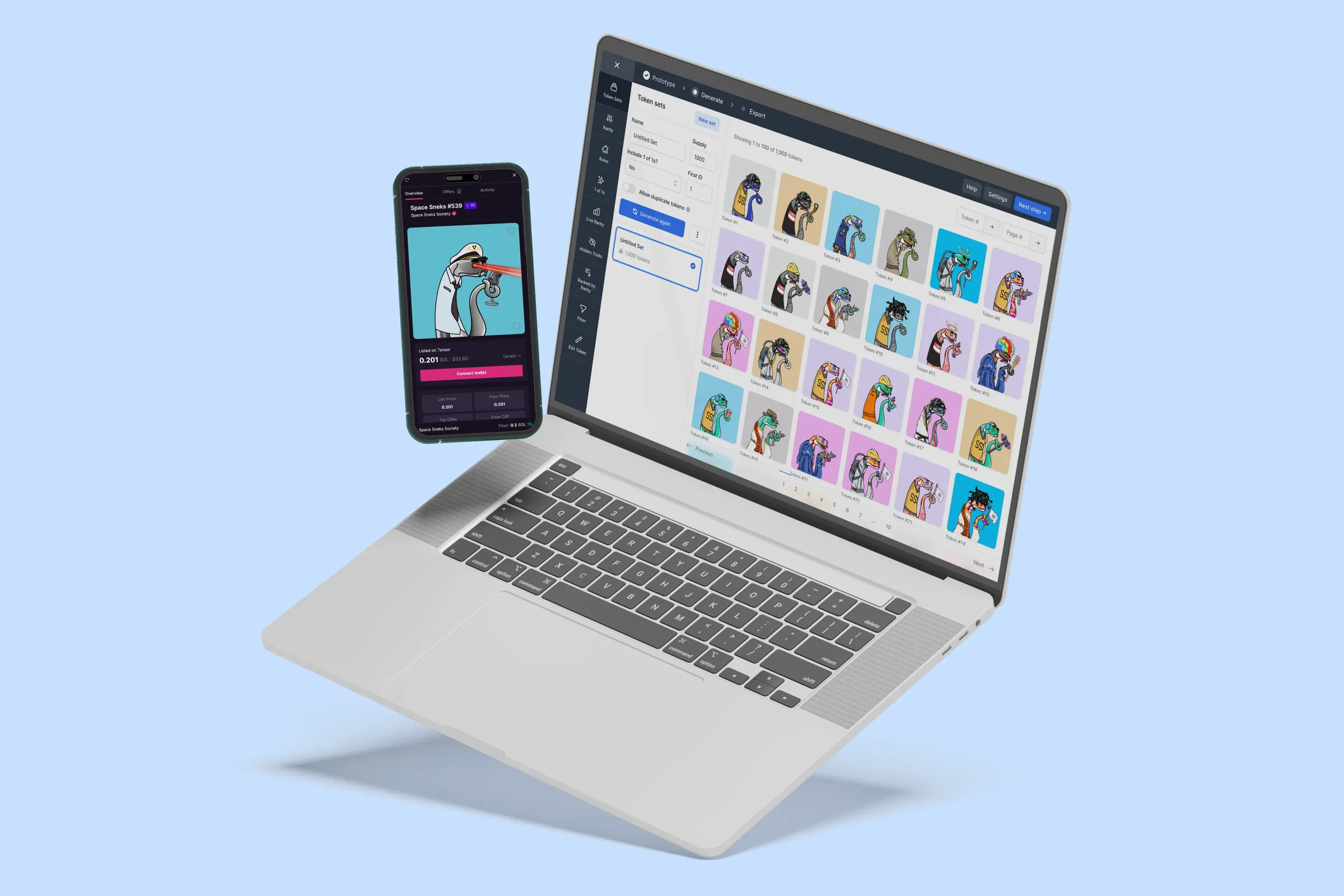
In 2022, launching an NFT collection meant command-line tools written for developers, so most artists couldn't take part.
We put the whole job in the browser: a generator anyone could use, rendering as many as 20,000 unique pieces on the artist's own machine, with nothing to download.
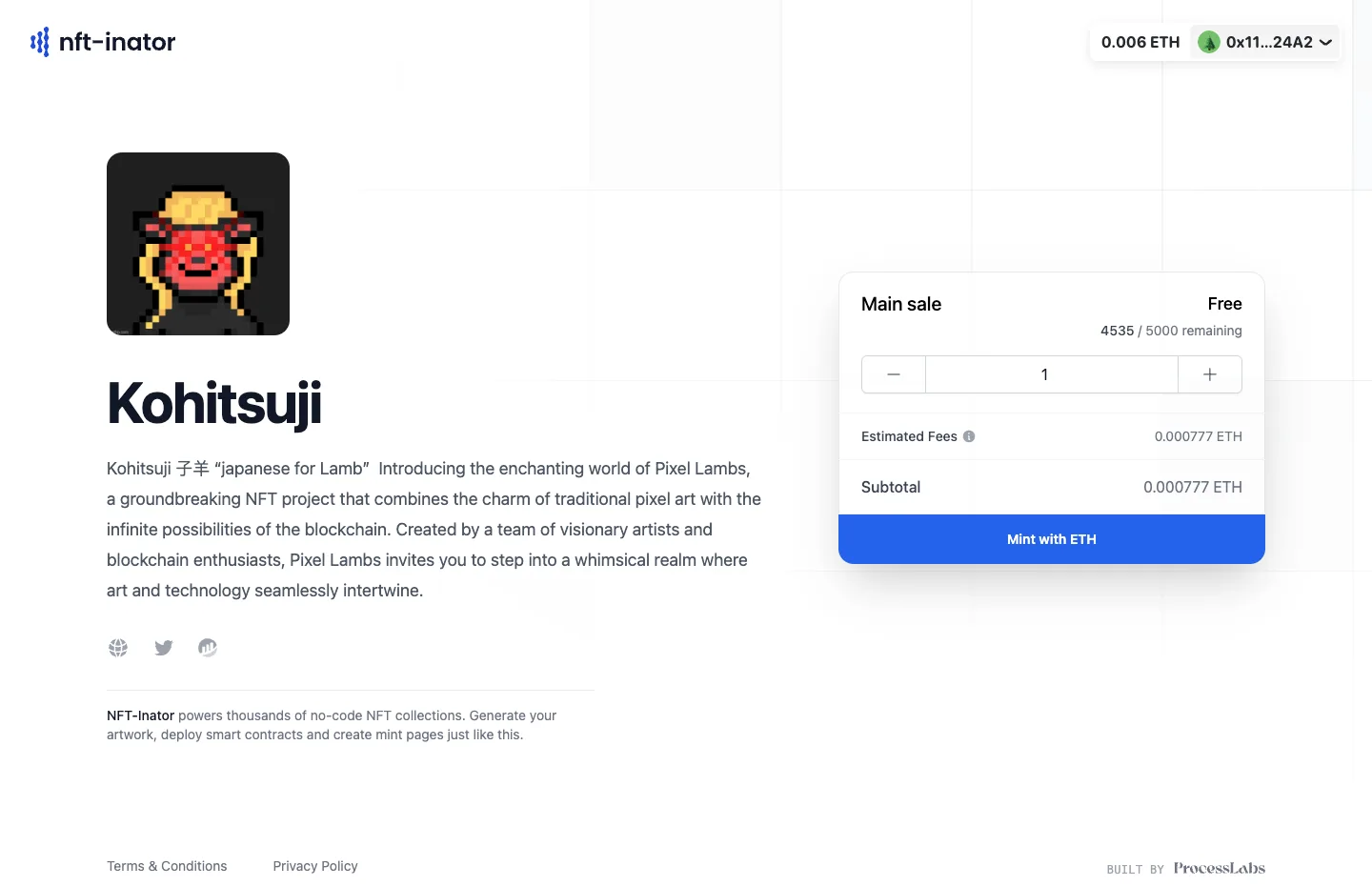
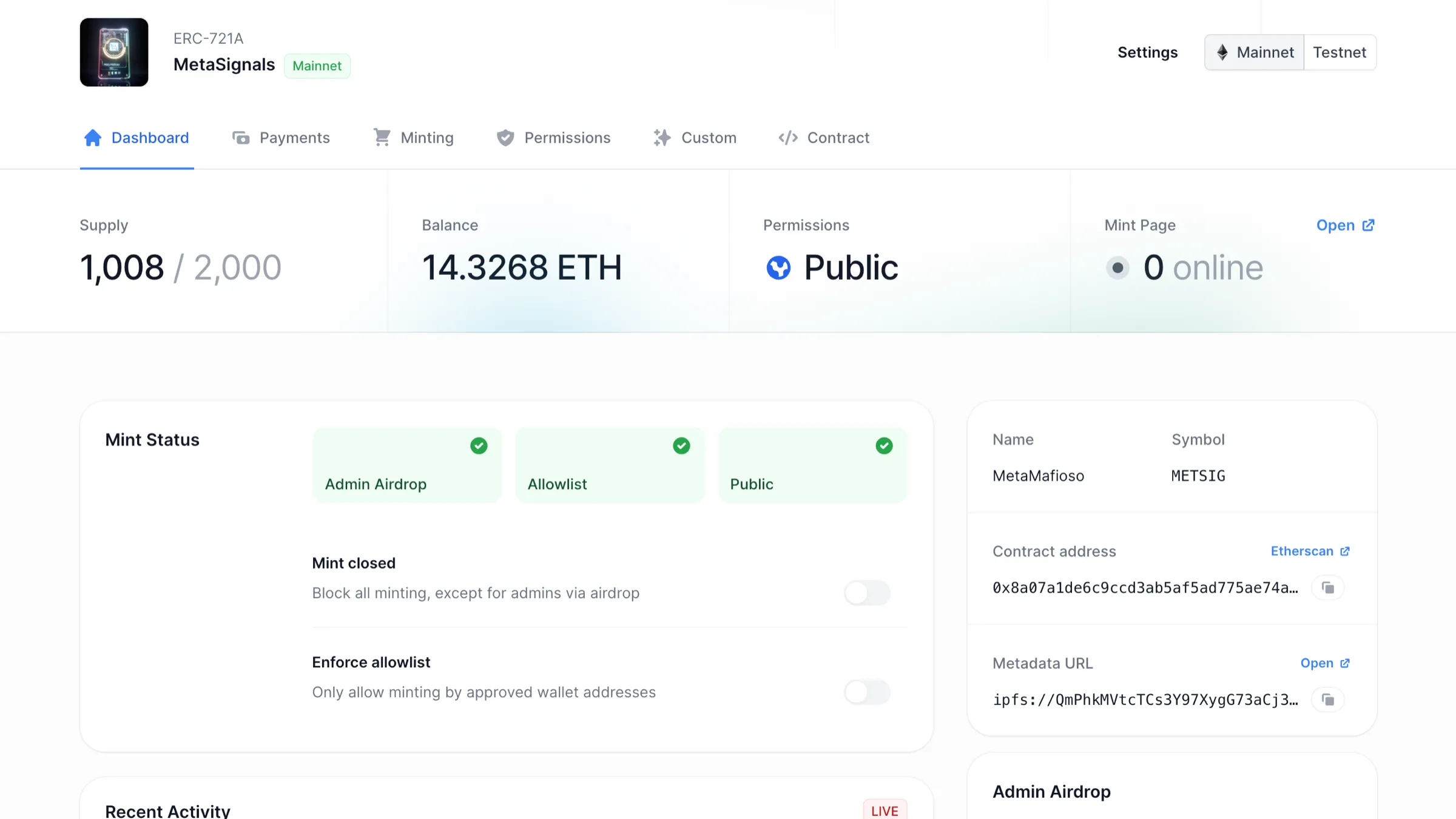
On mint day, artists sold from their own site with an embed or a hosted mint page, then ran sales, teams and payouts from one dashboard.
As CMO I took it to market, and it grew to 12,000 users and 15,000 projects.
It scaled to $20k a month in revenue, and 25M+ NFTs have been generated, earning creators over $10M.
One of the slickest no-code NFT creation tools currently available. Really straightforward and mildly addictive.
The platforms I build cover most of what a business runs on.
Some are tools a team uses all day, some are products customers pay for, and some connect the systems a business already has. These are the kinds I'm asked for most, with the project behind each one where I can show you.
RUNNING THE BUSINESS
- Management systems for bookings, jobs, orders and stock
- Client and partner portals with their own logins
- Internal tools and admin panels
- Dashboards and reporting from your live data
- CRMs and sales pipelinesTRAFFIKPAY
- Quote and proposal generatorsTRAFFIKPAY
- Compliance, approval and onboarding flowsFORGEPROOF
SELLING AND SERVING CUSTOMERS
- Online stores, including headless ShopifyOODLES
- Membership and subscription platforms
- Marketplaces and affiliate programmesINSERT AFFILIATE
- Booking and reservation systems
- Product configurators and 3D buildersOODLES
- Customer apps that install from the browser
- Loyalty and rewards programmes
NEW PRODUCTS
- SaaS products, from the first version to launch
- No-code tools for creatorsNFT-INATOR
- Web3 and blockchain platformsNFT-INATOR
- AI-powered products and assistantsINSERT AFFILIATE
- Research and lead-finding toolsOODLES
- Competitions, games and interactive campaignsOODLES
CONNECTING WHAT YOU RUN
- Integrations between the tools you already use
- APIs for partners, apps and your own team
- Automations that move data so nobody retypes it
- Data from every system pulled into one place
- Payments and subscriptions through Stripe
For TraffikPay, an application now becomes a branded proposal.
TraffikPay finds payment processing and banking for businesses mainstream providers often turn away. Each one applies on the site, and the application routes it to the services it needs and saves progress as it goes.
Behind it sits a CRM I built, where the team manages every lead and reviews each application, and each one becomes a branded PDF proposal generated from the same record. In the first three months after launch, monthly applications rose 84%.
The new automated proposal system is extremely slick.
DRAWN FROM THE TRAFFIKPAY BUILD, WITH THE CRM ITSELF
I've co-founded products and taken them to market.
I co-founded Flaze, a creator membership platform that raised £50,000 and reached £15k in monthly revenue. I also co-founded ForgeProof, a KYC startup built on one idea: a customer's documents become one encrypted profile that firms can verify and keep current. I shaped its product and brand, and built its public face for the early access launch.
So when you bring me a product idea, expect questions about who it's for and how it will sell alongside the build. The first version is cut down to the smallest thing that proves it, and the next one is built on what people used.
READ THE FORGEPROOF CASE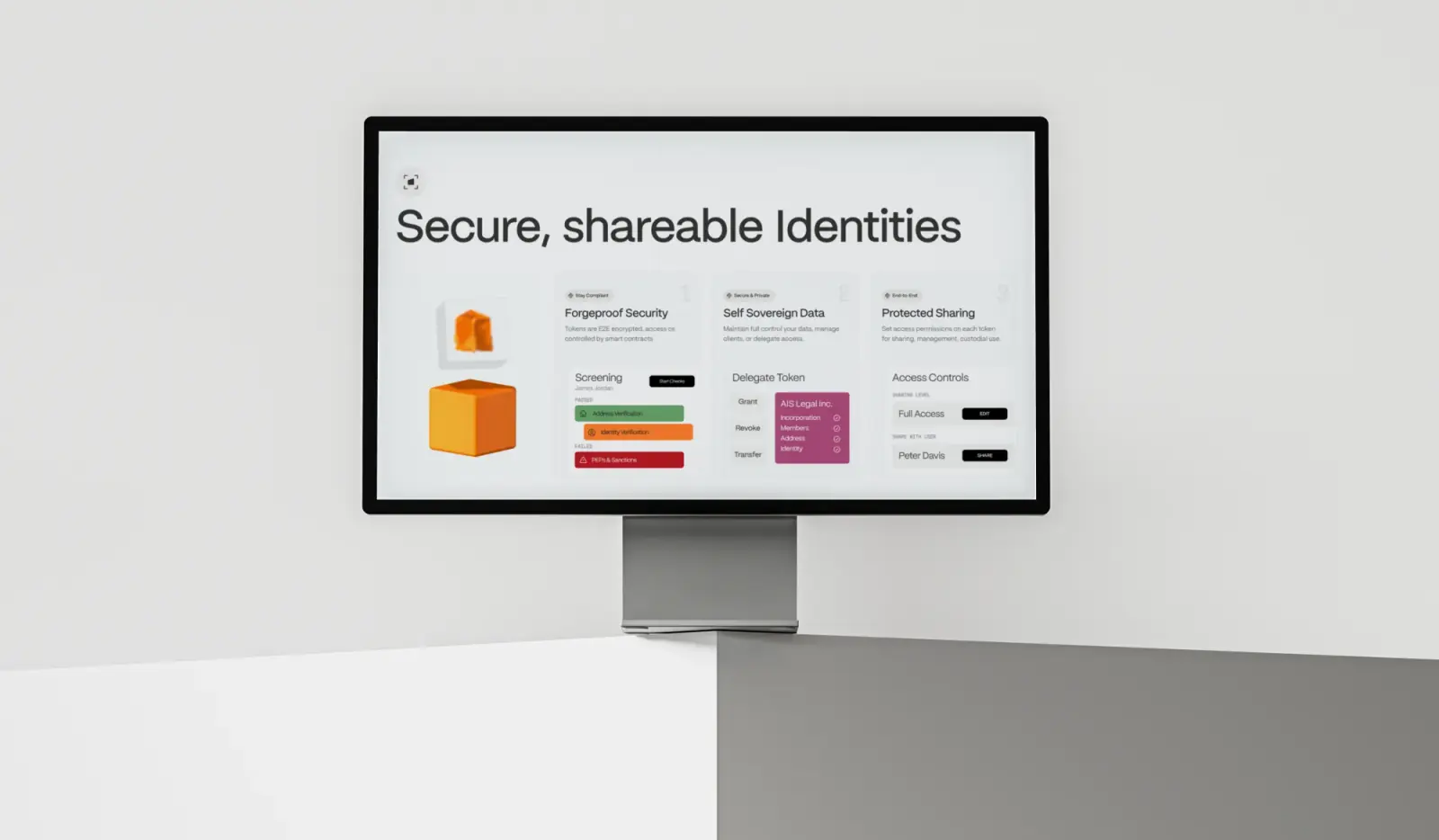
Tools I built as a CMO, and products I built for clients.
At Oodles of Doodles that meant a retail and influencer sample platform and a B2B lead finder with AI fit-scoring, plus the DoodleACan competition app, which drew 600 entries.
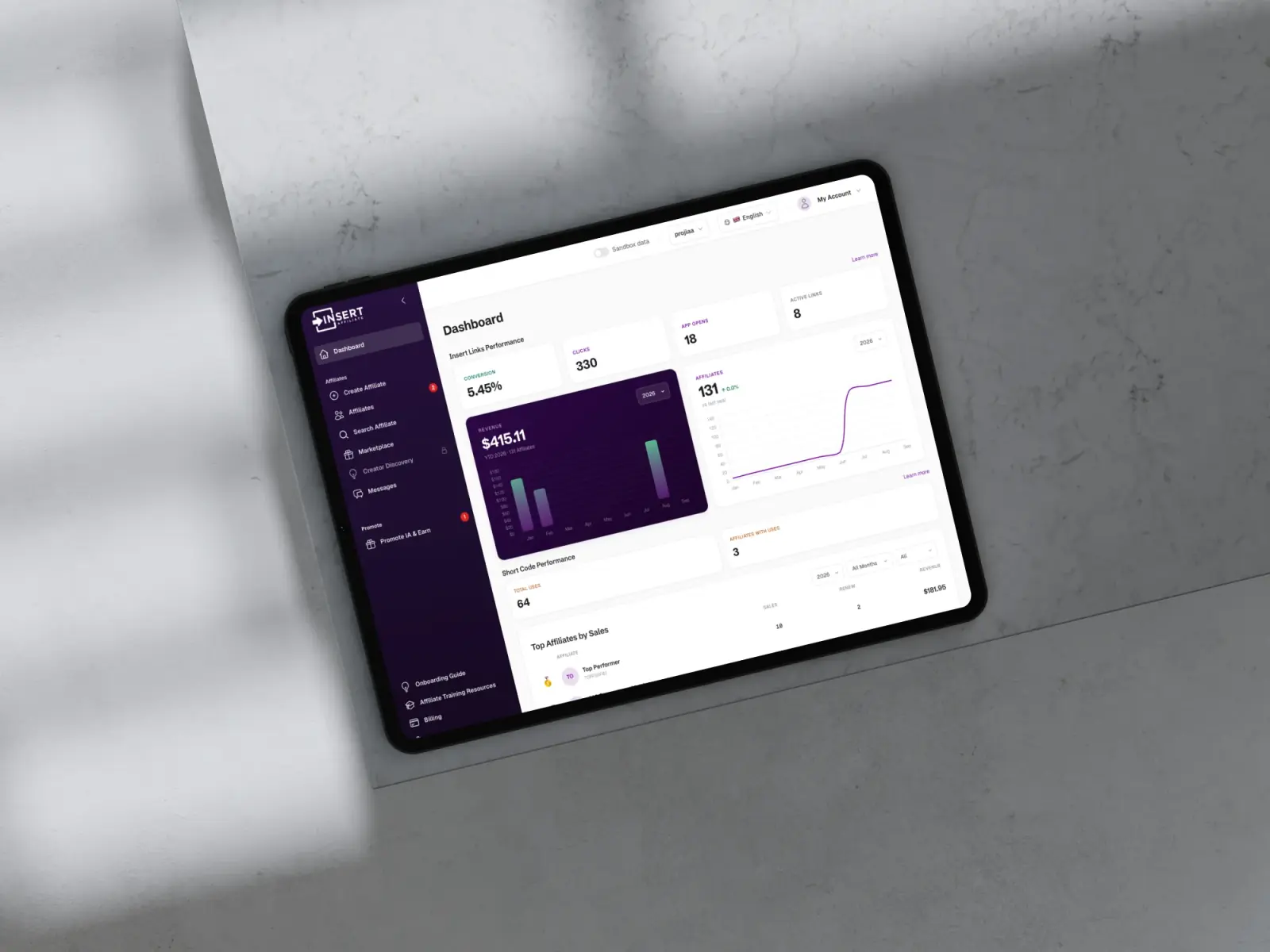
For Insert Affiliate, a client since 2025, I built an AI affiliate finder for searching and recruiting creators, then redesigned the whole platform on one design system, from the dashboard at the top of this page to onboarding, billing, the marketplace and the affiliate's own view. App owners now recruit, track and pay affiliates from one consistent dashboard.
READ THE INSERT AFFILIATE CASE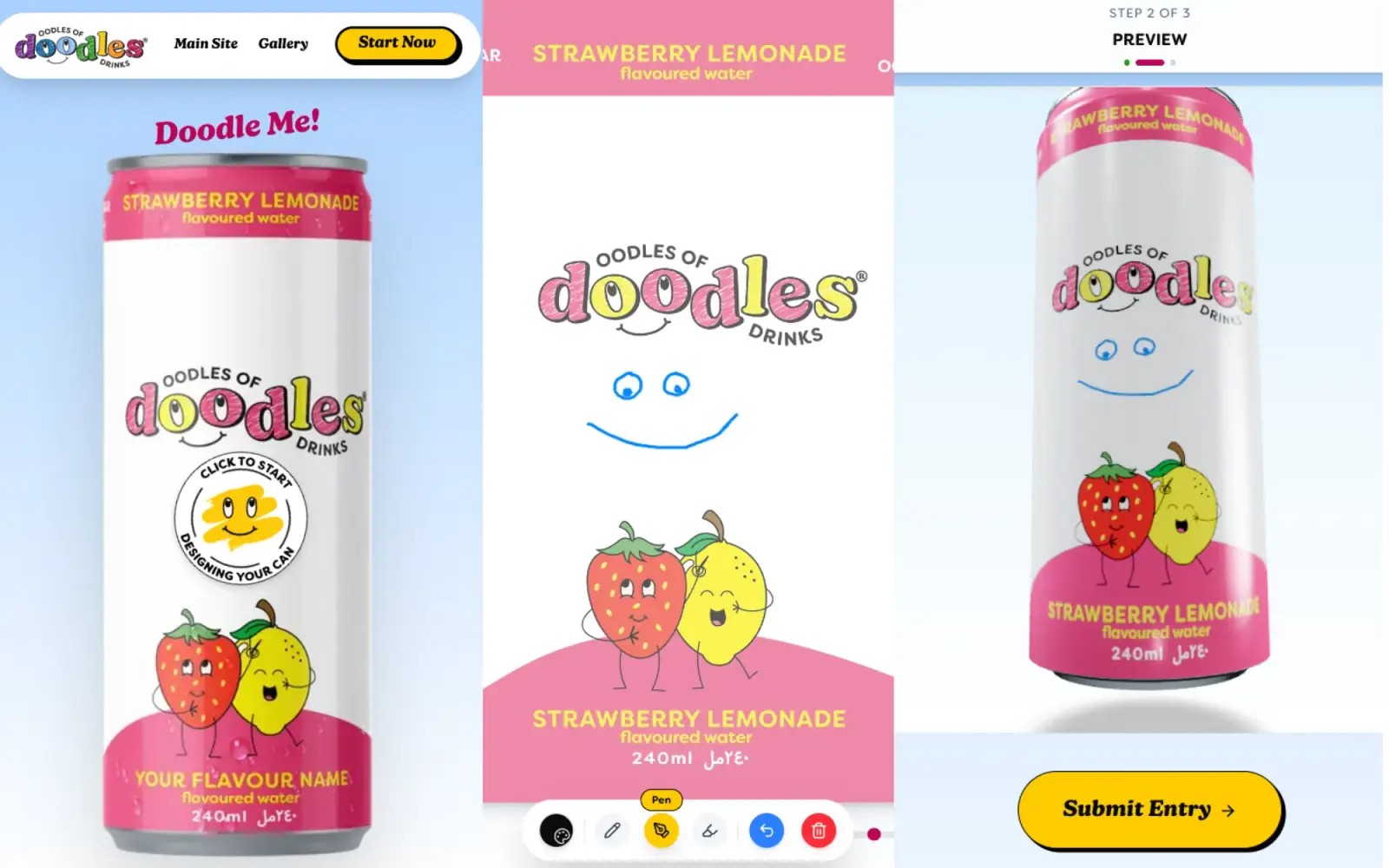
THE INSERT AFFILIATE AI FINDER, AND DOODLEACAN FOR OODLES
If a tool you can buy does the job, I'll tell you to buy it.
It suits businesses running on spreadsheets, email threads and tools that half fit, and founders who want a product idea built properly the first time.
A GOOD FIT
- Your team works around software that almost fits
- Key data lives in a spreadsheet one person understands
- Clients or partners need their own login
- You have a product idea and want the smallest version that proves it
- You're an agency whose client needs a platform or product built
 Your team works around software that almost fits
PROBABLY NOT
- An off-the-shelf tool already does the job well
- You need a large engineering team on day one
- The spec is fixed and you want it built without questions
Tell me what the system has to do and I'll reply within a working day.
You can log into it long before launch.
It's built in stages, and each one ends with something your team has seen and signed off.
Scope and a written spec
Workshops with the people who'll use it, a map of the process as it runs today, and the smallest version that would prove the idea.
YOU END WITH
A written spec with wireframes, a timeline and a fixed price.
Screens designed and clicked through
Every screen is wireframed against the spec, then designed, with the awkward cases settled on paper while changes are cheap.
YOU END WITH
Designs your team has clicked through and signed off.
Built in stages, then launched
It's built in stages you can log into as they land, tested with your data, then launched with your team trained on it.
YOU END WITH
A live system, documented as it was built, in accounts you own.
Grown from what people use
What the first weeks of use teach us goes into the next version, on a monthly retainer or as a separate project.
YOU END WITH
A plan for the next version, built on what people used.
A first version, the MVP, usually takes two to four weeks. A full build depends heavily on the features, so its timeline is set in the written spec before the build starts.
It runs on a standard stack, so it's never tied to me.
Everything I build runs on tools that are easy to host and easy to hire for, and every system comes with these three things.
- Your data, your accounts The database, logins, file storage and permissions sit in a Supabase account you own, and your data exports at any time.
- Connected to what you run Accounting, email, a CRM or a store you already use are wired in, so nobody types the same data twice.
- Documented as it goes The code lives in your repository from day one and is documented as it's built, so any competent developer can pick it up.
WHAT IT RUNS ON
- Next.js and React
- The application itself, and any portal or dashboard, fast on any device.
- Supabase
- The database, logins, file storage and permissions.
- Shopify and Stripe
- For anything that takes payments, sells products or runs subscriptions.
- Your existing systems
- I connect them through their APIs, and where a system has no way in, I'll say so early and we plan around it.
You get a written spec and a fixed price before the build starts.
IN A PLATFORM PROJECT
- Scoping workshops with the people who'll use it
- A written spec with wireframes
- Every screen designed and clicked through
- Access set per role, for staff and clients
- Built in stages you can log into
- Tested with your data before launch
- Your team trained at launch
- Documentation kept current
- The first weeks of fixes after launch
I price after scoping, because the cost depends on what the first version has to do. The spec sets out the screens, the timeline and the price with the reasoning shown, and the price holds for that scope.
The code lives in your repository and your hosting accounts from day one, with no licence fees to me.
Once it's live, I can stay on to build the next version, or your own developers can take it on with the documentation.
Three ways to work with me
PROJECT
A first version, scoped to prove it
A platform or product with a clear scope and a fixed price, from the first workshop to launch, built in stages you can log into.
RETAINER
Grown month by month
Reserved days each month for the next features, the AI workflows inside the system and the changes the business needs as it moves.
FOR AGENCIES
Behind your client's product
I work inside your process as the product and build partner on a client's platform, white-label or credited, by project or by month.
What people ask before the first call
If yours isn't here, ask it in your first message.
BUILD OR BUY
Should we build or buy?
If an off-the-shelf tool does the job, buy it, and I'll tell you so. Custom makes sense when your process is how you win, when you're paying for several tools that each half fit, or when you're building a product of your own.
Can you build our product idea?
Yes, if a small first version can prove it. I've taken products to market before, from NFT-Inator at ProcessLabs to Flaze, which I co-founded, so expect questions about who it's for and how it will sell alongside the build. We agree what that first version has to show people before anything is designed.
COST AND TIME
What does it cost?
It depends on what the first version has to do, so I price after scoping. You get a written spec and a fixed price before the build starts, with the reasoning shown.
How long does it take?
A first version, the smallest one that proves the idea, usually takes two to four weeks. A full build depends heavily on the features, so the spec sets out its timeline in writing before the build starts.
CODE AND AFTER
Who owns the code?
You do, outright. It lives in your repository and your hosting accounts from day one, with no licence fees to me. If we stop working together, you lose nothing.
Can you work with our existing systems?
Most builds connect to accounting, email, a CRM or a store you already run, so the answer is usually yes. Where a system has no way in, I'll say so early and we plan around it.
What happens after launch?
The first weeks of use always turn up changes, and fixes in that period are part of the project. After that, the next version is built on what people used, on a monthly retainer or as a separate project.
What's the spreadsheet you'd like to retire?
Tell me how the work runs today and where it sticks. The first step is a thirty-minute call about what the system has to do.
CURRENTLY AVAILABLE FOR NEW PROJECTS